
Brunswick Previous Residents by Era
Brunswick address histories split across eras, and each era keeps its own records. Start with a current parcel number and sale panel. From there, move into recorded land records and older local collections. The Recorder publishes no online-index start year. That search is only a lead. When the modern parcel trail stops reaching back, the historical route continues through the county counter and local library collections.
| Address-history source | Documented years | Where held | What it can show |
|---|---|---|---|
| Recorder AVA and counter | Online start year not published | Medina County Recorder | Recorded land instruments and legal-property trail |
| Dickman’s Criss-Cross volumes | 1976, 1979, 1988, 1991–2012 | MCDL legacy holdings | Dated address-to-principal listings |
| County directories | 1916; selected 1931–1992 editions | MCDL legacy holdings | County and Township name/address clues |
| County census microfilm | 1820–1930 | MCDL legacy holdings | Household corroboration |
| Tax duplicates and atlases | Historic physical collections | MCHS and MCDL | Owner, lot, valuation, and map evidence |
Recent questions start with the Auditor and the Recorder. Past listings begin with the closest criss-cross edition. Rural or pre-City questions call for Brunswick Township records, historic maps, and the tax-and-deed sequence. Note: a gap between directory editions does not prove that a person was absent from an address.
Start Brunswick Address History With a Parcel
Start at the Medina County Auditor Property Search. Search the structured street address first. Save the permanent parcel number, situs, municipality or township, legal description, sale details, and the deeded-owner and tax-payer fields. Mailing addresses can differ from the physical one. Treat those fields as account evidence, not a full past-household list. The Medina County Historical Society property guide sets the local rule for old properties: use the lot or permanent parcel number from a deed, tax record, Tax Maps, or Auditor before moving backward. One warning stands out. Auditor construction years are often wrong. Original tax duplicates and valuation changes give a more careful way to date a building.
Trace Brunswick Previous Residents Through Deeds
Deeds build the chain of title, the documented succession of transfers for one piece of land. The parcel and legal description stay in control throughout. Work from the current sale backward through the Medina County Recorder AVA search. AVA answers party, date, document type, book/page, subdivision, lot/block, and parcel queries. It is a working index. Compare the actual record details before drawing any conclusion.
- Open the current parcel card and copy its legal description, subdivision, lot, and parcel number.
- Find the linked sale or purchase instrument in AVA using the parcel and, when useful, a date or document type.
- Read the legal description and party roles. The seller in the later transfer may lead to an earlier acquisition record.
- Repeat with each verified prior instrument, keeping the book/page or document number and recording date.
- When recent computer work ends, continue with MCHS sectional indexes, deed volumes, maps, and original tax duplicates.
- Grantor / grantee
- The grantor transfers an interest; the grantee receives it in the recorded instrument.
- Chain of title
- A documented sequence of transfers for the same parcel or legally described land.
- Legal description
- The lot, block, subdivision, or survey language that identifies land more reliably than an old street number.
For other routes, consult the Recorder’s public search guidance.
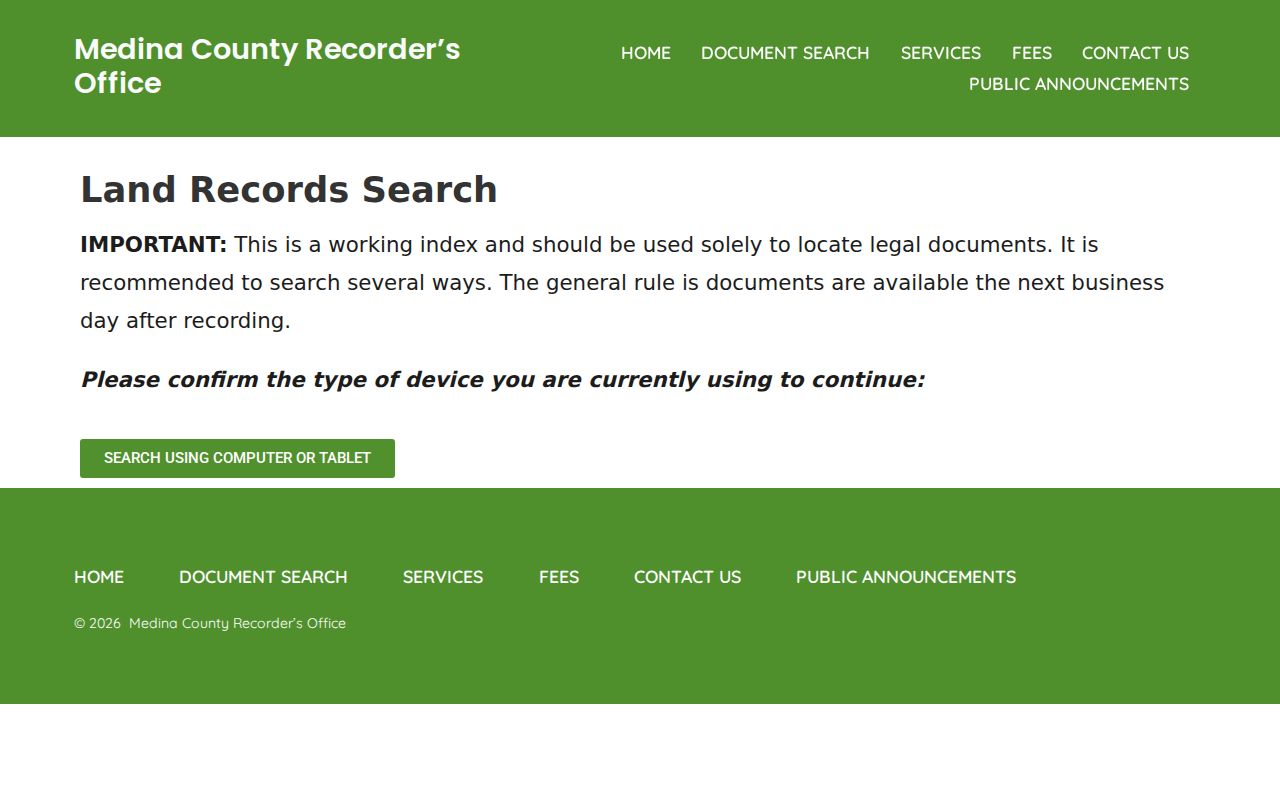
The land trail has one central limit. It must be searched through legal-property keys, since no direct historical street-address field exists.
Brunswick Past Owners Beyond Recent Records
How far back do online deeds go? MCHS offers a qualified estimate. Recorder-computer work may reach perhaps about 30 years by permanent parcel number. That is an estimate, not an AVA coverage claim. Once the recent trail ends, the Society directs researchers elsewhere. Sectional indexes are organized by township or community lots. Grantor and grantee work, book/page review, and original tax duplicates come next. Online results and older title evidence come from different systems. Keep the two apart. Tax duplicates are arranged by year, then township or community, then owner. Watch the valuations. A first building valuation or sharp change in value can help date a structure roughly. A new building, MCHS says, generally appeared in the tax records. That is about a year after construction. Use that as a property-history clue. It does not prove a person was present. MCHS welcomes researchers by appointment at the John Smart House, 206 N. Elmwood in Medina, and volunteers can help, though not every property-specific request can be taken. Bring the parcel, legal description, and date range. Its owner atlases, original tax duplicates, documents, oral histories, and photos make it a practical stop after the web and Recorder trail. Bring any document numbers already found. Ohio History Connection Archives & Library in Columbus is the statewide fallback. Turn there when county or local-history sources cannot answer the question. Its catalog, appointments, copies or scans, and county-record guides supplement MCDL and MCHS. Early deeds and township-era evidence often live there. A careful Brunswick previous-residents search often ends in that archive chain.
Brunswick Records Before City Incorporation
Brunswick became a village in January 1960. City status came that October. Search older property, directory, tax, and census records under Brunswick Township as well as Brunswick. The 1916 Farm Journal directory preserves rural terms like Brun 19, meaning Brunswick Township Road No. 19. Entries can also hold a spouse clue, child count, route, telephone notation, trade, and an ownership-or-occupancy mark.
Old labels describe land, not modern house numbers. Never force a rural route, road number, lot, or atlas label into the present street-number format. The 1874 and 1897 owner atlases, Recorder plats, legal descriptions, and tax-duplicate sequence provide safer bridges. The City Engineer handles current address or plat questions. Historical conversion still needs the underlying land description.
Brunswick Homes in Dated Records
Dickman's criss-cross volumes are the key. They link an address to a named principal for earlier Brunswick households. Copy the edition year exactly. Keep the spelling, initials, route, and any listing mark just as printed. From there, set the directory year beside county census microfilm, newspapers, obituary indexing, and parcel evidence, remembering that a directory names one principal at a date, not every person tied to the address.
- Choose the criss-cross or county directory closest to the date in question.
- Copy the address wording exactly, including any township-road or route form.
- Pair that edition with the closest available county census or newspaper source.
- Use the parcel, atlas, or deed description to test whether the old location matches the present land.
Access details sit elsewhere. The books belong with the Brunswick city directory collections, and the task here is placing one dated household clue into a single address trail.
Brunswick Address Changes and Permits
Later physical changes live in Brunswick Building records. A file there may hold a permit, application, inspection, or maintenance record. The City publishes no self-service permit-history search. A request should state address, period, category, and copy medium. The City's form is optional. Its records policy implements the Ohio Public Records Act, R.C. 149.43. Brunswick's 2026 budget reported a Building software replacement plus document-template work. That update makes a direct City request safer than a remembered web interface, though permit evidence dates a project rather than naming every past resident.
Brunswick Records Need a Library Visit
The Virginia Wheeler Martin Family History & Learning Center sits at the Medina Library. It is not at the Brunswick branch. It reports more than 1,500 local and family-history books. Nearly 900 microfilm reels reach into the early 1800s. Staff appointments run in person or by Zoom. The library is a real fallback for an address trail. That trail sometimes hits a directory, newspaper, tax, or map source outside any public portal.
The MCDL Family History & Learning Center points researchers to Digital Archives. It also lists the Medina County Memory Project, yearbooks, obituary resources, and historical newspapers. Preparation pays. Bring the exact address form, parcel or lot number, surname variants, and the date range. Include what was already checked. That helps staff pick the right edition or reel fast. An incomplete online result is not the end of a Brunswick previous-residents search.
MCDL's recent Buchanan aerial-photo digitization adds a 1950s–60s visual layer. Public identification work goes with it. An aerial image can reveal a pre-subdivision landscape. It can also show an old street pattern, but it does not identify people. Pair it with the parcel, deed, map, or dated directory evidence.
The Medina County Historical Society is another in-person fallback. Its John Smart House research setting holds owner atlases and tax duplicates. It also offers a published property method. Those work well when a Brunswick address resolves to an older township lot. A modern street number may simply not exist there. Record the exact archive or book consulted, so another researcher can repeat the step.
Brunswick Previous Residents at the Trail’s End
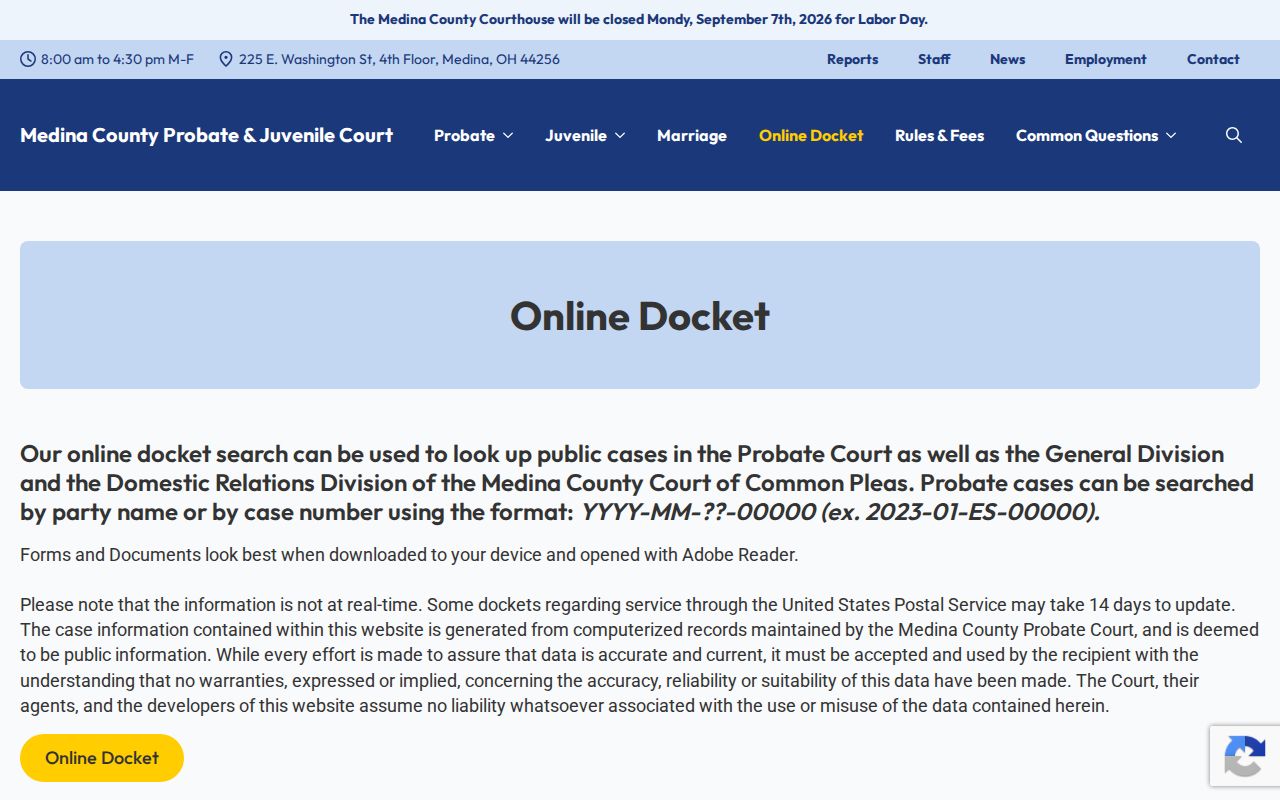
Obituaries and newspapers explain a shift in an address trail. Probate material and marriage records help distinguish people who share a name. MCDL's historical resources include newspaper microfilm, an obituary index, and genealogy help. The Medina Probate online docket is another official estate route. It warns that information is not real-time. Case details may lag postal updates. The Probate Court's marriage-record route provides a separate county certificate channel.
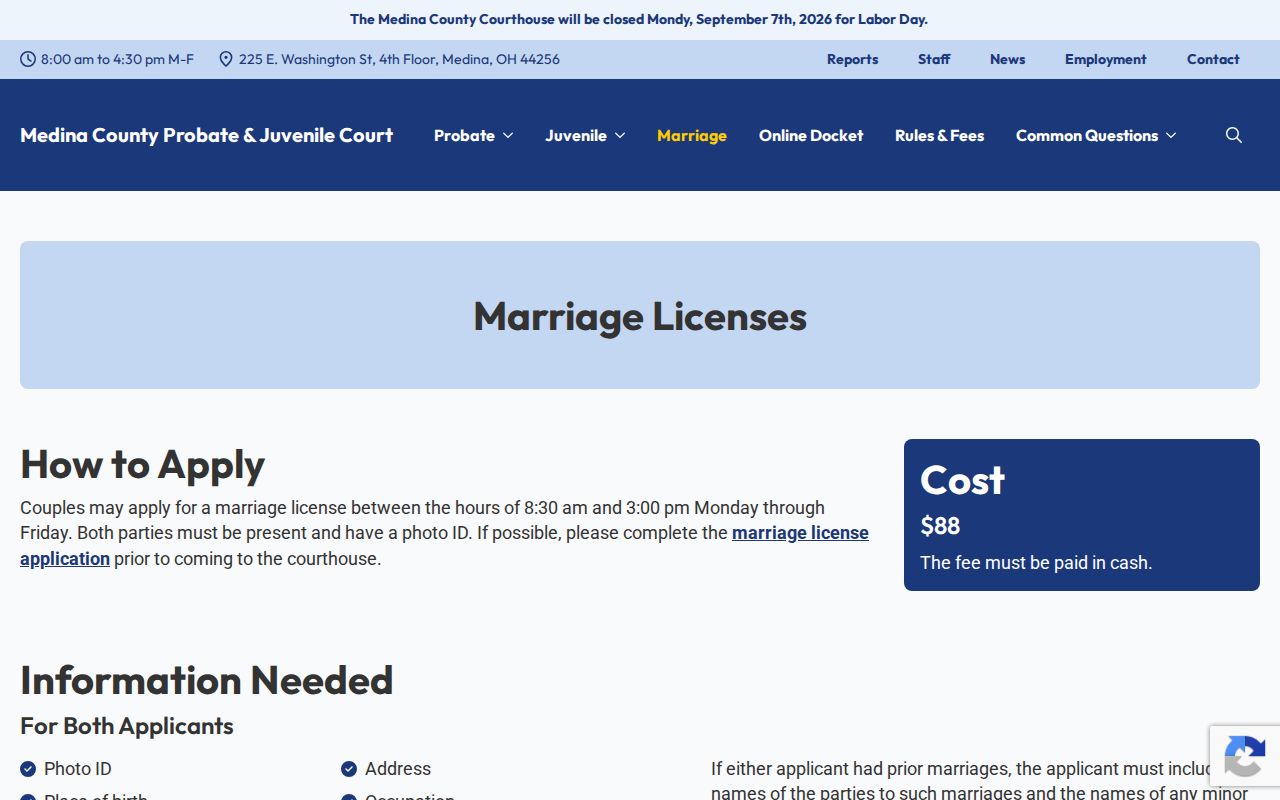
A marriage record is an event clue, not an address record. Treat it as one thread of a family-history trail. Never use it to fill a gap without corroboration.
The Probate docket instructions are the source for the online estate route and its timing caution.
Older court material sits with the Clerk's archives route. It may involve microfilm, paper, or offsite storage. Ask the custodian for an identified case or record series rather than assuming an online docket is complete.
Lawful use. Brunswick previous-resident research is appropriate for family history, property history, and personal curiosity. Do not use records to track, stalk, threaten, or harass a living person.